

Public
The evolution of gambling A historical perspective on the games we play
The evolution of gambling A historical perspective on the games we play
The Origins of Gambling
Gambling dates back to ancient civilizations, with evidence found in artifacts from China, Egypt, and Mesopotamia. Archaeological digs have uncovered dice made from bones and other materials, indicating that games of chance were integral to these societies. In ancient China, around 2300 BC, keno-like games were documented, showcasing how early cultures engaged in betting, often intertwining it with rituals or celebrations. Today, many players can explore similar exciting experiences at jaakcasino.

In addition to dice games, the ancient Romans popularized various forms of gambling, particularly during festivals. They created betting systems on gladiator fights and chariot races, making gambling a social event intertwined with entertainment. This laid the groundwork for gambling to evolve from mere games of chance into more structured forms of betting that could involve strategy and skill, appealing to a broader audience.
As societies evolved, so did the complexity of gambling. The introduction of card games in the 9th century, particularly in Persia, marked a significant shift in how gambling was perceived and played. These games, which migrated through trade routes, eventually led to the development of modern card games we know today, establishing a bridge from ancient practices to contemporary gambling formats.
The Medieval and Renaissance Influence
The medieval period saw gambling’s reputation fluctuating between social pastime and moral vice. Many religious leaders condemned gambling, associating it with sin. However, the allure of betting on games of chance persisted, leading to a burgeoning underground gambling culture. This era saw the creation of various gambling games, including rudimentary forms of lottery and the popularization of dice and card games in taverns.
During the Renaissance, the emergence of formal gambling establishments marked a turning point. Casinos began to appear in Italy, with the word “casino” derived from the Italian term for a small house or villa. These establishments offered a variety of games, from lotteries to card games, attracting aristocrats and commoners alike. The blend of social interaction and gambling created a vibrant atmosphere that would define future gambling venues.
The Renaissance also saw the development of gambling legislation, as governments attempted to regulate the growing industry. This included licensing gaming houses and introducing taxes on winnings. Such regulations not only legitimized gambling but also paved the way for the sophisticated gaming laws we see today. The movement towards organized gambling marked a significant step in the evolution of the industry, promoting fairness and consumer protection.
The Rise of Modern Casinos
The 19th century heralded the golden age of gambling, particularly with the establishment of formal casinos in Europe and the United States. In 1837, the first official casino, the Casino de Monte-Carlo, opened in Monaco, becoming a beacon for high-stakes gamblers. This era marked the transition from small, informal gaming houses to lavish establishments offering a variety of games, drawing in a global clientele.
In the United States, the Gold Rush of the mid-1800s spurred the growth of gambling in the West. Cities like San Francisco became hotspots for gaming, hosting numerous saloons and gambling halls. The introduction of poker, which melded chance with strategy, captured the imagination of players and further popularized gambling. This growth led to the establishment of laws regulating gambling, creating a more structured industry.
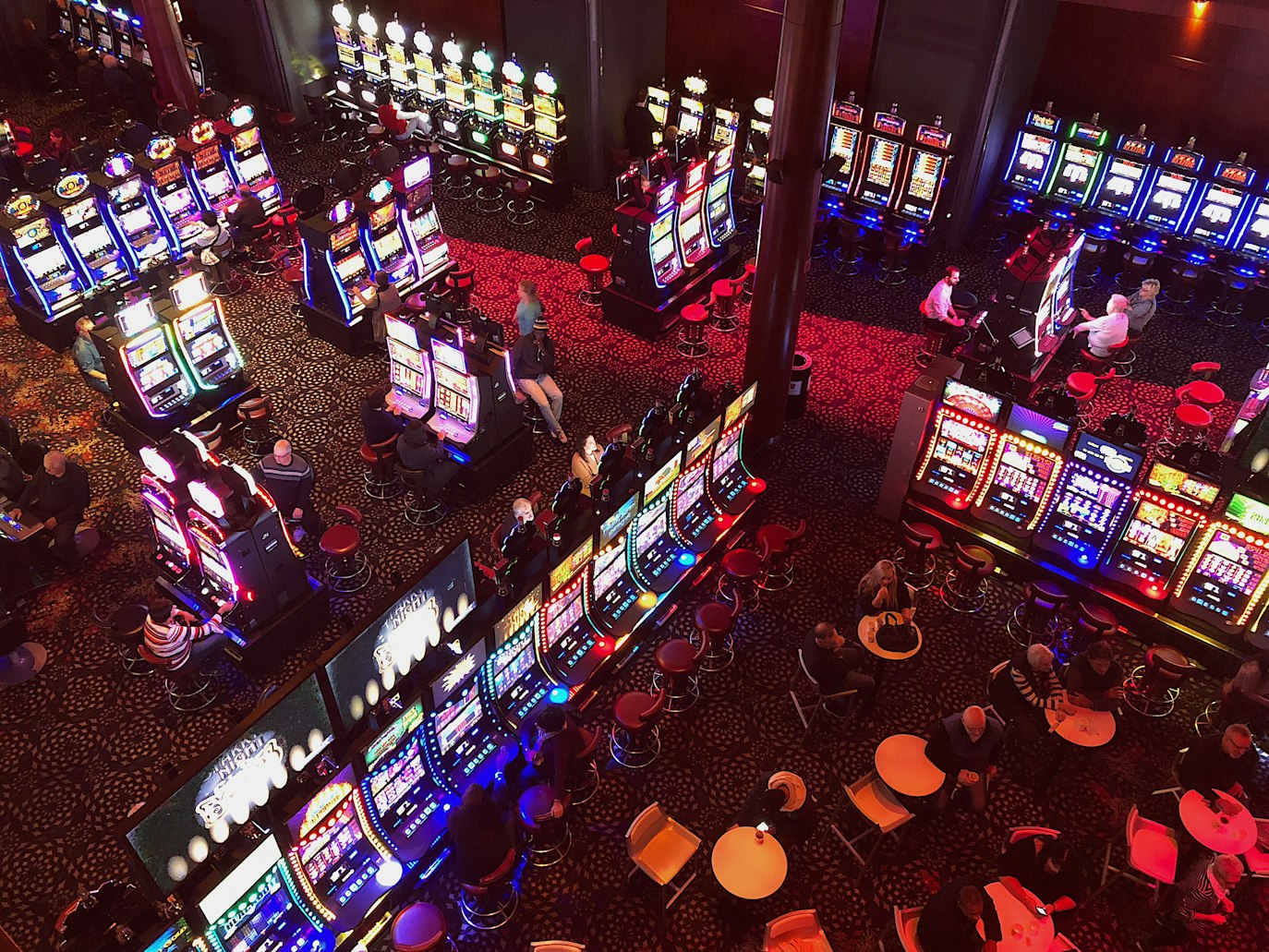
The 20th century witnessed the emergence of Las Vegas as the gambling capital of the world. With its flashy casinos and entertainment options, Las Vegas redefined the gambling experience, transforming it into a comprehensive entertainment venture. The allure of themed casinos and all-in-one resorts significantly expanded the appeal of gambling, establishing it as a mainstream activity enjoyed by millions across various demographics.
The Digital Revolution of Gambling
The dawn of the internet in the late 20th century revolutionized gambling, making it accessible to a global audience. Online casinos emerged in the mid-1990s, allowing players to enjoy their favorite games from the comfort of their homes. This shift not only broadened the market but also introduced innovative gaming experiences, with live dealer games and mobile applications enhancing user engagement and convenience.
The rise of online gambling has prompted a myriad of developments, including the introduction of cryptocurrencies as a payment method. This modern twist on gambling has attracted tech-savvy players, allowing for anonymity and speedy transactions. Online gaming platforms now offer extensive game libraries, ranging from classic slots to cutting-edge table games, ensuring that there is something for every type of player.
However, the digital landscape has also raised concerns regarding player protection and responsible gambling. With the ease of access to online platforms, issues of gambling addiction and fraud have surfaced. Regulatory bodies worldwide are working diligently to implement laws that protect players while ensuring a fair gambling environment. As technology continues to evolve, so too will the strategies and measures in place to safeguard players in the digital gambling sphere.
Jaak Casino: A Modern Gaming Experience
Jaak Casino represents the pinnacle of the modern gambling landscape, providing a vast selection of over 2,500 games, including slots, table games, and live dealer options. This online gaming platform is designed to cater to players of all experience levels, ensuring that both newcomers and seasoned gamblers find what they are looking for. With its user-friendly interface and robust player support, Jaak Casino embodies the evolution of gambling into a digital format.
The platform is committed to responsible gambling, offering comprehensive measures to protect players and promote safe gaming practices. Transparent bonus terms and clear information on responsible gambling help players make informed decisions, thereby enhancing their overall experience. The integration of 24/7 customer support further reflects Jaak Casino’s dedication to providing an exceptional gaming environment where players can feel secure.
As gambling continues to evolve, Jaak Casino stands at the forefront, embracing technological advancements while remaining devoted to player safety and enjoyment. This commitment to excellence not only showcases the exciting potential of online gambling but also reinforces the importance of a balanced approach to gaming in the modern era.